 ENESPANOL中国


智齿手术
智齿,也称为第三磨牙,是口腔每个象限中的最后一颗牙齿。几乎每个人的口腔中都有四颗智齿,然而有些患者缺少一颗、两颗、三颗,甚至(对他们来说很幸运)全部四颗智齿也并不罕见。

智齿是什么?
智齿,又称第三磨牙,通常是口腔每个象限中最后发育的牙齿。每个人通常有四颗智齿,但拥有较少的智齿(缺一颗、两颗、三颗,甚至全部四颗)并不是不寻常的情况,有些人可能认为这是一种幸运。
我是否需要拔掉我的智齿?
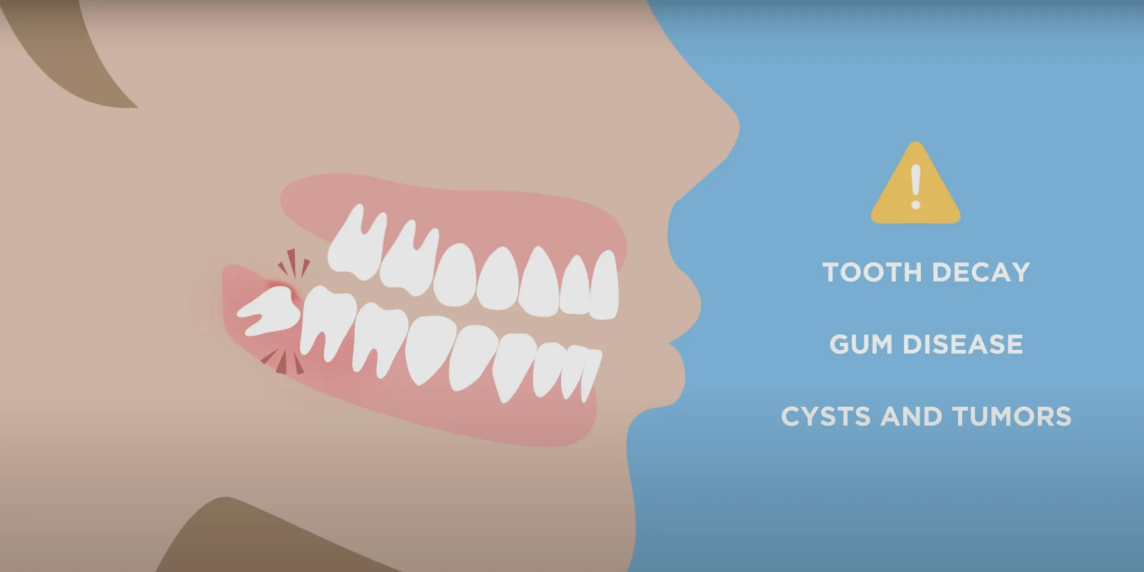
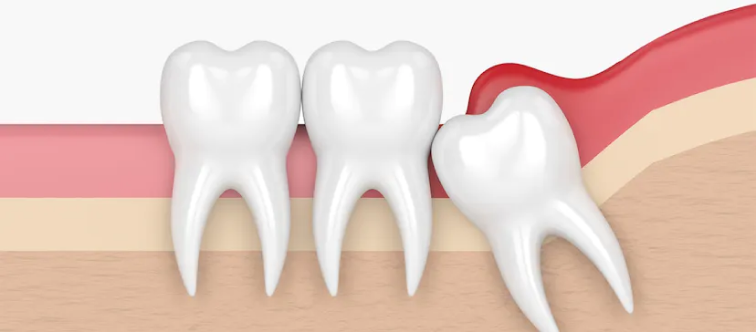
对于每个人来说,并不是普遍需要拔除智齿。在某些情况下,智齿会垂直生长并与其他牙齿良好对齐,有助于口腔健康。然而,大多数人的下颌骨空间不足以容纳智齿,因此对于大多数人来说,拔牙是一个值得考虑的选择。经常情况下,排列不当的智齿可能对附近的牙齿、牙龈和骨骼造成不可逆的损害,并促使细菌生长,导致感染。忽视这样的智齿可能引发各种问题,包括蛀牙、肿胀、出血和不适。在罕见的情况下,未处理的受压智齿可能导致囊肿或肿瘤的形成,危及神经、骨骼和其他牙齿等结构。
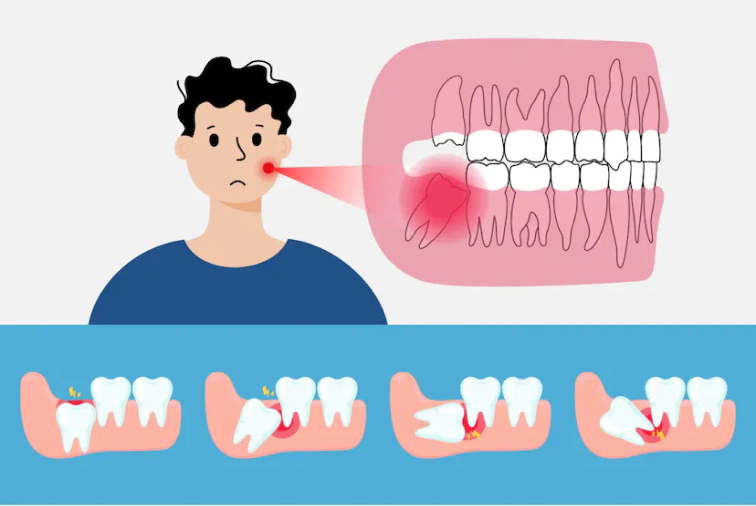
拔智齿的最佳时间是什么时候?
对于大多数人来说,青少年中期到早期成年时期进行拔智齿是最有利的。有多种原因支持这一偏好,其中一些原因包括:
许多研究表明,在这个年龄段拔智齿时,神经损伤的风险较低。舌神经和下颌下神经是位于下颚智齿附近的主要神经。在青少年时期,智齿的根部仍处于发育阶段。随着时间的推移,这些根部倾向于越来越靠近下颌下神经,增加了神经损伤的风险。
年轻患者通常经历更为简单和迅速的康复过程。他们可能会比年长的患者遇到更少的疼痛、肿胀和出血。
拔除智齿可以帮助矫正治疗,并在某些个体中可能提高牙齿的对齐程度。在某些情况下,正畸医生或普通牙医可能会建议提前拔除智齿,以更好地配合正畸干预
在超过智齿手术的‘理想’年龄后拔智齿仍然安全吗?
当然。智齿手术通常在年龄较大的患者中进行,没有明确的年龄限制。每个病例周围的情况都是独特的,因个体而异,风险受到多种因素的影响,包括牙齿位置、神经位置和病史等。年龄只是Farshidi博士和Kwon博士在仔细评估您的风险时考虑的众多因素之一。在您的咨询中,他们将就您的具体情况提供专业意见,并制定出适合您独特状况的个性化治疗计划。
冠切术是什么?
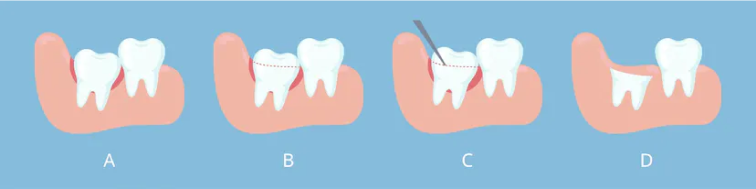
冠切术是一种手术技术,旨在降低在被视为高风险的情况下神经损伤的几率。该程序包括摘除牙齿的冠部,同时有意将根留在牙槽内。当正确执行时,这种方法降低了损伤下颌神经的风险,并且与标准拔牙相比,不会增加感染的风险。这种方法的主要局限性在于,在少数情况下,剩余的根部碎片可能会自行上升到牙槽的表面,需要进行第二次手术以摘除根部碎片。然而,当发生这种迁移时,它具有远离神经的附加好处;因此,随后的手术很可能对神经造成最小甚至零的损伤风险。
冠切术是什么?
冠切术是一种手术技术,旨在降低在被视为高风险的情况下神经损伤的几率。该程序包括摘除牙齿的冠部,同时有意将根留在牙槽内。当正确执行时,这种方法降低了损伤下颌神经的风险,并且与标准拔牙相比,不会增加感染的风险。这种方法的主要局限性在于,在少数情况下,剩余的根部碎片可能会自行上升到牙槽的表面,需要进行第二次手术以摘除根部碎片。然而,当发生这种迁移时,它具有远离神经的附加好处;因此,随后的手术很可能对神经造成最小甚至零的损伤风险。
常见问题
Q: Do you offer wisdom teeth removal?
A: Yes. Our oral and maxillofacial surgeons remove wisdom teeth in our Tustin office.
Q: When should I see an oral surgeon about my wisdom teeth?
A: If your dentist sees that your wisdom teeth are impacted, crowded, partly erupted, or causing pain, swelling or infection, a consultation with an oral surgeon is a good next step. Many people are evaluated in their late teens or early twenties.
Q: What happens at the consultation?
A: We review your health history, take or review X-rays or a 3D scan, check the position of each tooth, and talk through your options, including sedation choices.
Q: Will I be asleep?
A: We offer local numbing, nitrous oxide (laughing gas), oral sedation and IV sedation. Many patients choose IV sedation, given by our board certified surgeons in our accredited surgical suites. Your surgeon will help you choose what fits your health, comfort and procedure.
Q: What is recovery like?
A: Most people have some swelling and soreness for a few days. Many return to school or desk work within a few days, but healing varies. We give you written aftercare instructions and you can call us with any questions.
Q: What affects the cost?
A: Cost depends on how many teeth are removed, how deeply they are impacted, the type of sedation, imaging needed, and your insurance. We give you an estimate before treatment. Financing is available through CareCredit, Cherry and LendingClub.
Q: Does insurance cover wisdom teeth removal?
A: We accept most PPO plans and Denti-Cal. Coverage depends on your plan, so we cannot promise what it will pay, but our insurance coordinator checks your benefits before your surgery.
Q: Do all wisdom teeth need to come out?
A: No. Some wisdom teeth grow in fully, are healthy, and can be cleaned well. Your surgeon will look at your exam and X-rays and tell you whether removal is recommended or whether watching them is reasonable.
Q: What can I eat after surgery?
A: Start with cool, soft foods like yogurt, smoothies eaten with a spoon, and mashed potatoes, then add foods as you feel ready. Avoid straws, smoking and crunchy foods while the sites heal, as instructed.
Q: What if I have pain or swelling from an infected tooth?
A: Call us at 714-838-4141. We offer same-day emergency appointments for dental infections. If swelling spreads to your eye or neck, or you have trouble breathing or swallowing, call 911 or go to the nearest emergency room.
Q: When should I call the office after surgery?
A: Call us if you have bleeding that does not slow with pressure, a fever, pain or swelling that gets worse after the first few days, or any concern at all. Our main number is 714-838-4141.
我们的患者评论


