 ENESPANOL中国


ANESTHESIA AND IV SEDATION
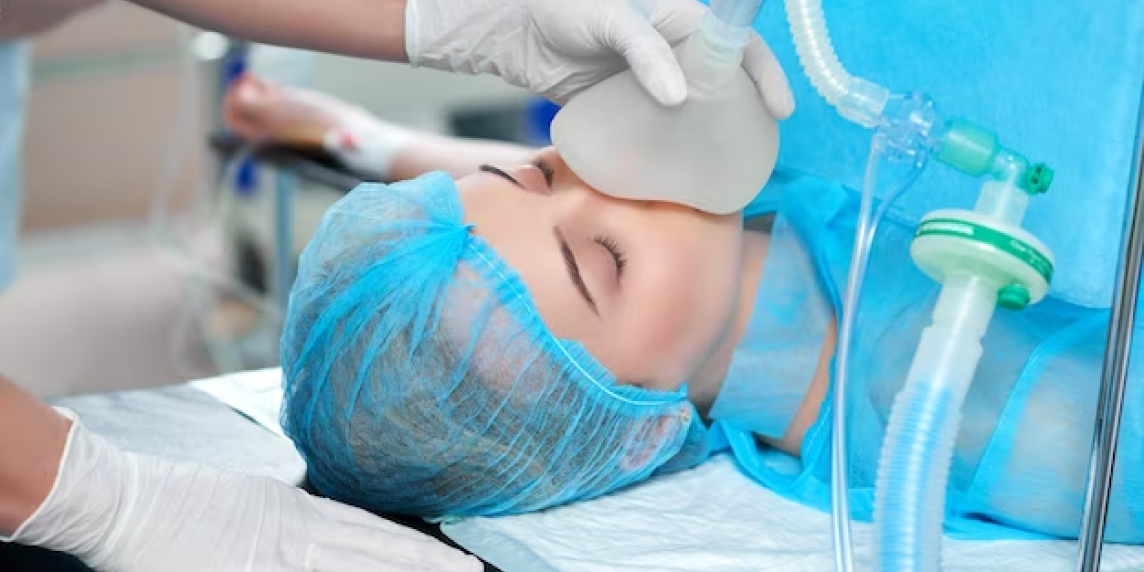
For anxious patients, various methods of sedation and general anesthesia can be used for the patient’s comfort during surgery. This varies from oral conscious sedation, nitrous oxide, a combination of oral sedation and intravenous sedation or general anesthesia. Drs. Farshidi and Kwon will go over the choices and help you choose what you are most comfortable with. Your safety is our number one priority.


Anesthesia Options
Exparel
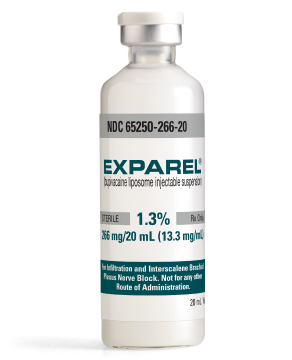
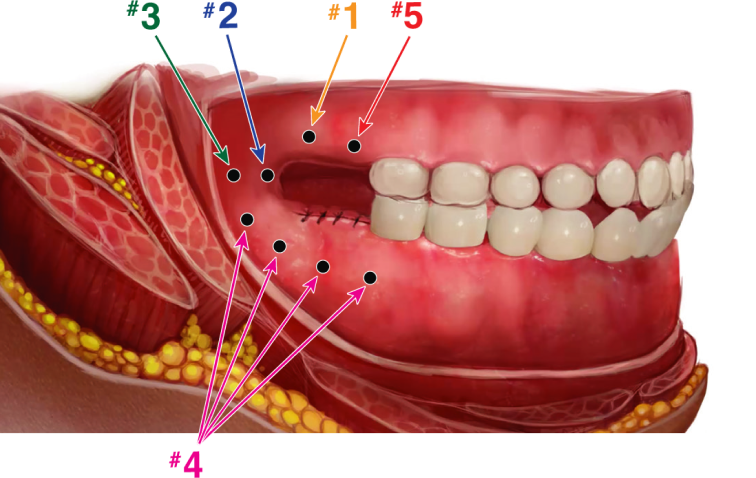
EXPAREL is a local anesthetic that is given by your doctor during your surgery that provides long-lasting pain relief for the first few days after surgery. EXPAREL works directly at the surgical site to deliver pain relief where you need it most. EXPAREL is targeted, unlike opioids that affect your entire body and can lead to side effects that slow your recovery.
Intravenous Sedation
This technique is frequently employed to reduce anxiety. It involves the insertion of an IV with the goal of inducing the initial stages of sleep, ensuring a calm, safe, and seamless surgical experience. All our proficient physicians are well-versed in administering anesthesia, and they will closely monitor you throughout the duration of your procedure.
Oral Sedation/Nitrous Oxide
This technique is known as anxiolysis, as it doesn’t induce sleep but is specifically formulated to mitigate the stress associated with the procedure. If deemed suitable, you will be guided on the administration of oral sedation tablets before your surgery. To further alleviate any anxiety during the surgery, nitrous oxide will be administered through a mask placed over your nose.
General Anesthesia
For those patients experiencing high levels of anxiety, as well as pediatric or medically complex patients, we have the option to provide general anesthesia. A seasoned medical anesthesiologist will be on hand to ensure your procedure is executed with maximum safety and comfort.
Frequently Asked Questions
Q: What is IV sedation?
A: IV sedation is medication given through a small tube in a vein to help you relax and feel comfortable during surgery. Most patients remember little or nothing of the procedure.
Q: Who gives the sedation?
A: Our oral and maxillofacial surgeons are trained in anesthesia and are board certified by the National Dental Board of Anesthesiology (NDBA). Sedation is given in our accredited surgical suites with monitoring throughout.
Q: Is IV sedation safe?
A: For most healthy patients, office sedation by a trained and board certified surgeon has a strong safety record. We review your health history and medications first to decide if it is right for you.
Q: How do I prepare?
A: You will usually be asked not to eat or drink for a set time before surgery, and you must have a responsible adult drive you home and stay with you. We give you written instructions before your visit.
Q: How will I feel afterward?
A: You may feel drowsy for the rest of the day. Do not drive, work, or make important decisions until the next day, or as your surgeon advises.
Q: Does insurance cover sedation?
A: We accept most PPO plans and Denti-Cal. Some plans cover sedation for certain procedures and some do not, so we check your benefits before surgery. Cost depends on the length of the procedure, and we give you an estimate first. Financing is available through CareCredit, Cherry and LendingClub.
Q: What anesthesia and sedation options do you offer?
A: We offer local numbing, nitrous oxide (laughing gas), oral sedation and IV sedation. Oral sedation is medicine taken by mouth before your procedure to help you relax. Your surgeon will recommend what fits the procedure and your health, and not every option suits every patient.
Q: Can I have IV sedation if I have a medical condition?
A: Many people with medical conditions can be sedated safely, but some need extra planning or a note from their doctor. Tell us about all health conditions and medications at your consultation.
Our Patients Reviews


