 ENESPANOL中国


BOTOX FOR TMJ (TEMPOROMANDIBULAR JOINT)
Botox is a highly purified neurotoxin that can be used to temporarily weaken the jaw clenching muscles.

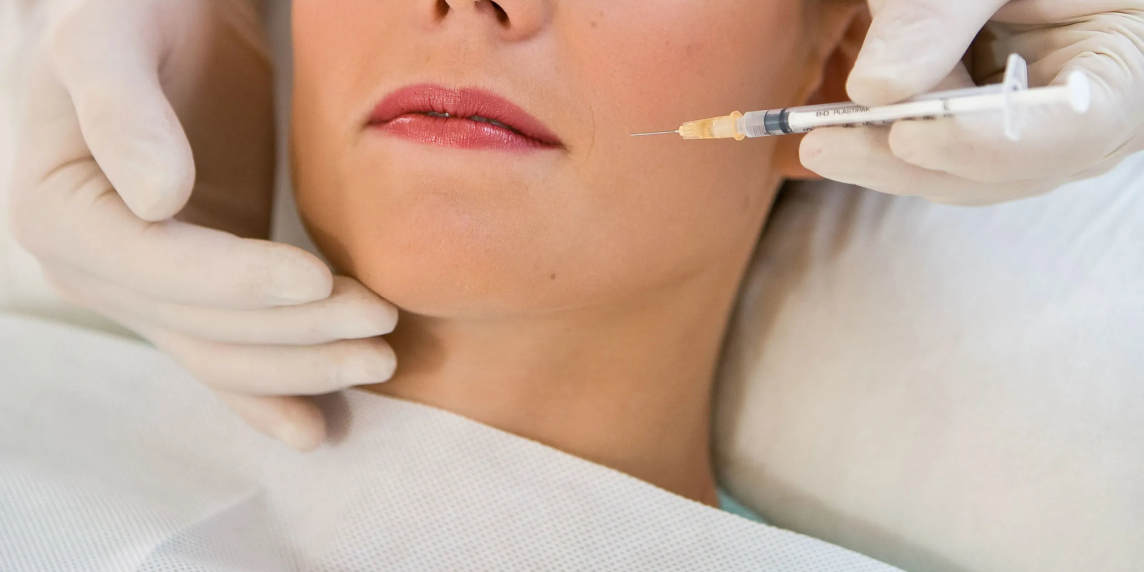
What is Botox?
Botox is a highly purified neurotoxin that can be used to temporarily weaken the jaw clenching muscles.
How is it used for patients with temporandibular disorder (TMD)?
There are many forms of temporomandibular disorder (TMD), but for patients who have bruxism (grinding of teeth), this is very helpful because it decreases the amount of force that your muscles can apply to your joints, thereby decreasing the pain and inflammation in your temporomandibular joint (TMJ). As a result, it subsequently helps alleviate the headaches and muscle spasms that come with it. This effect is called “joint off loading” and numerous studies in well-established medical and dental journals have been published about the positive effects Botox can have for these purposes.
Where is the Botox injected?
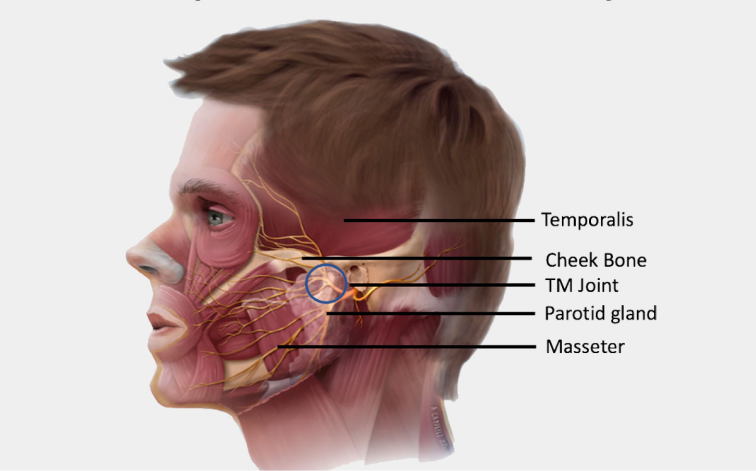
Most Botox injections are strategically placed in specific areas of the jaw such as the masseter and temporalis muscles shown below.
How long does Botox to the TMJ last?
The length of time that Botox is therapeutic for temporomandibular disorders is variable with every patient, but, on average, lasts 3-8 months and can sometimes reach 12 months.
Frequently Asked Questions
Q: How does Botox help TMJ pain?
A: We offer Botox for treatment of TMJ disorders. Botox relaxes the jaw muscles that clench and grind. This can ease muscle-related jaw pain and tension headaches for some people.
Q: What happens during the visit?
A: The surgeon gives a few small injections into the jaw and sometimes temple muscles. The visit is short, and most people go back to normal activities the same day.
Q: Does it hurt?
A: Most people feel a quick pinch with each injection. Mild soreness or bruising at the sites can happen and usually fades within a few days.
Q: How long does it take to work and how long does it last?
A: Many people notice a change within one to two weeks. The effect wears off over a few months, so treatment may be repeated. Results vary from person to person.
Q: Who should not get Botox?
A: People who are pregnant or breastfeeding, or who have certain nerve or muscle conditions, may not be good candidates. Tell us about your health history and medications.
Q: Is Botox for TMJ covered by insurance?
A: Many plans do not cover Botox for TMJ, but some do. We check your benefits before treatment. Financing is available through CareCredit, Cherry and LendingClub.
Our Patients Reviews


