 ENESPANOL中国


BONE GRAFTING
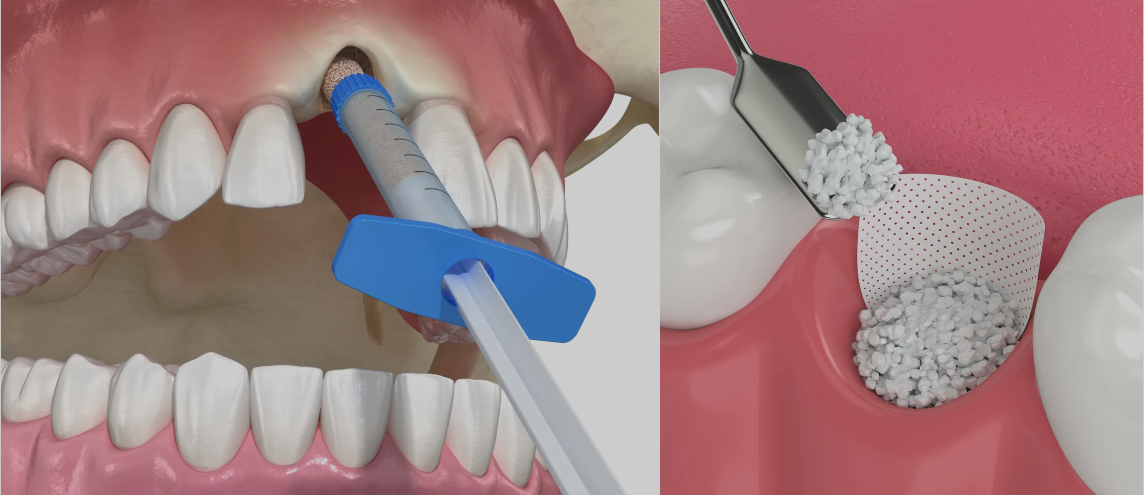
Bone grafting is a method used to build bone in your jaw when there is not enough bone to place implants. Bone loss can be caused by tooth infection, gum disease, excessive bone removal during extraction or when teeth have been removed for many years. There are different types of bone grafts depending on how much bone is needed to restore the jawbone so an implant can be placed several months later.


What is a bone graft?
Bone grafting is a technique employed when there is a deficiency of bone in the jaw to accommodate implants. The causes of bone loss can range from tooth infections and gum disease to excessive bone extraction during tooth removal, or prolonged absence of teeth. Depending on the extent of bone needed to rehabilitate the jawbone, various types of bone grafts are available, paving the way for the placement of an implant several months subsequently.
What are the different types of bone graft?
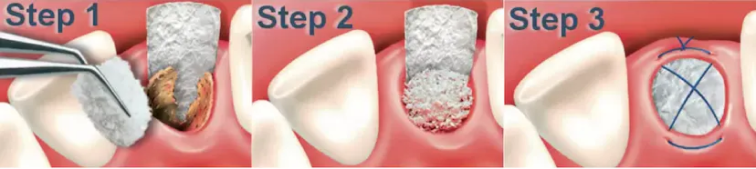
● Socket Preservation: This fundamental bone grafting technique involves inserting bone shavings into the extraction site to maintain the necessary bone width and/or height for future implant placement, serving as a simple yet effective approach to preserving bone structure.
● Block Grafting: In cases of substantial bone loss, a block grafting procedure can be employed. This involves using a solid piece of bone, either harvested from the patient's jaw or sourced from a donation, which is then secured into the defect using screws to aid the regeneration process.
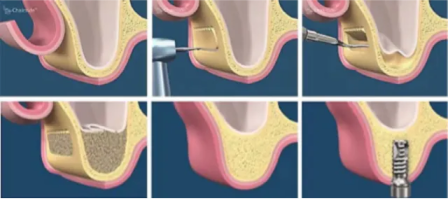
● Sinus Lift: Located within the posterior maxilla (upper jaw) is a cavity known as the maxillary sinus. A sinus lift is a specialized procedure aimed at augmenting the bone height in the maxilla. It is achieved by carefully elevating the sinus membrane and placing bone material beneath it, thereby fostering bone development and enhancing the available bone height for a dental implant.
Which type of bone graft will I need?
Every technique comes with its own set of pros and cons, and each scenario is unique. During the consultation, Drs. Farshidi, and Kwon will engage in an extensive discussion about all the available methods tailored to your situation.
Where does the bone come from?
Bone can be sourced from three primary origins: animal, human, or one's own body. Each variety of bone presents its own set of benefits and drawbacks, but the essential point is that all are safe and efficacious for their intended uses. Every bone graft substance undergoes a stringent procedure of multiple cleanings and examinations before receiving approval and being considered safe for implantation in humans. Should you have any religious or personal preferences against using specific bone graft materials, kindly inform the doctors during your consultation visit.
What is the recovery like after bone grafting?
The usual healing timeline following a bone graft can differ based on the intricacy of the situation. Generally, one can anticipate experiencing swelling and slight discomfort for a duration of 3-5 days. The majority of individuals resume their regular activities within 1-2 weeks. Our team will go over the post-operative guidelines with you, both verbally and in writing, on the day of your surgery.
Frequently Asked Questions
Q: Why would I need a bone graft?
A: After a tooth is lost, the jawbone can shrink over time. A bone graft rebuilds bone so there is enough support for a dental implant.
Q: When is bone grafting done?
A: It may be done when a tooth is removed, at the same time as an implant, or as a separate step before an implant. Your surgeon will recommend the timing based on your scan.
Q: Where does the graft material come from?
A: We use three kinds of graft material: your own bone, donor bone, and synthetic materials. Your surgeon will explain which option is recommended for you and why.
Q: Is sedation available?
A: Yes. We offer local numbing, nitrous oxide (laughing gas), oral sedation and IV sedation. Your surgeon will help you choose what fits your procedure and health.
Q: What is recovery like?
A: Mild swelling and soreness for a few days is common. You will get instructions on diet, cleaning and activity, and we will see you for follow-up visits while the graft heals.
Q: What affects the cost and insurance coverage?
A: Cost depends on the size and type of graft, imaging and sedation. We accept most PPO plans and Denti-Cal, but coverage varies by plan, so our insurance coordinator checks your benefits before surgery. Financing is available through CareCredit, Cherry and LendingClub.
Q: Can a bone graft fail?
A: Most grafts heal well, but some do not take fully. Smoking, infection and not following aftercare instructions raise the risk. If a graft does not heal as planned, your surgeon will talk with you about next steps.
Q: How long before I can get an implant after a graft?
A: It depends on the size and type of graft and how you heal. Some implants are placed at the same visit, and others wait for the graft to heal first. Your surgeon will give you a timeline.
Q: What is a sinus lift?
A: A sinus lift is a type of bone graft for the upper back jaw. It adds bone below the sinus so there is room for an implant. We offer sinus lifts. Sometimes a sinus lift can be done at the same time as implant placement, and sometimes it has to be done before the implant. Each case has to be evaluated, and your surgeon will tell you which one you are a candidate for.
Considering full-mouth implants? Learn about All-on-X.
Our Patients Reviews


