 ENESPANOL中国


WISDOM TEETH SURGERY
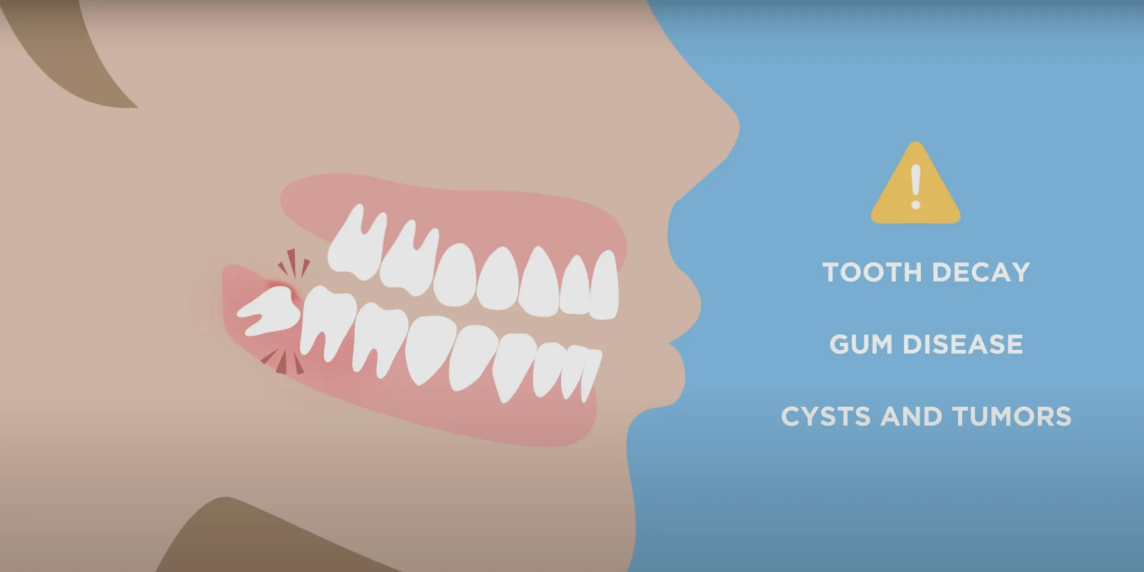
Wisdom teeth, also called third molars, are the very last tooth in each quadrant of your mouth. Almost everybody has four wisdom teeth in their mouth, however it is not out of the ordinary for some patients to be missing one, two, three or even (lucky for them) all four wisdom teeth.

What are wisdom teeth?
Wisdom teeth, or third molars, are usually the last to develop at each quadrant of one's mouth. It's normal for individuals to have a set of four, but having fewer – lacking one, two, three, or even all four – isn’t an unusual occurrence, and some might deem this a stroke of luck.
Do I need to have my wisdom teeth extracted?
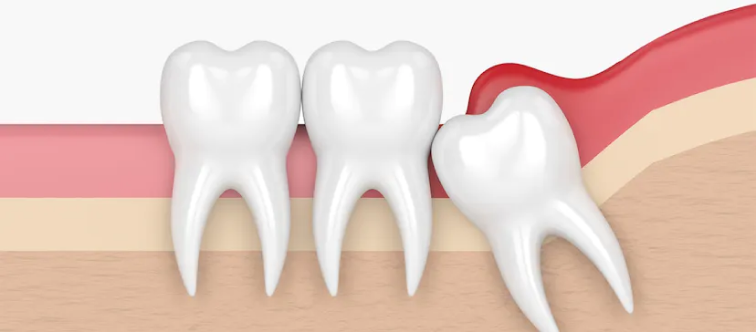
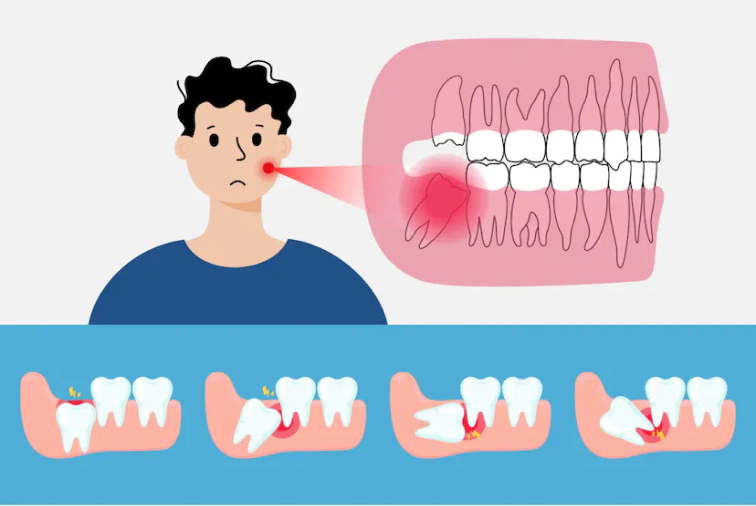
It’s not a universal necessity for individuals to undergo wisdom teeth removal. In some instances, wisdom teeth emerge upright and align well with the other teeth, facilitating good oral health. Nonetheless, the majority of people possess jaws not spacious enough to house wisdom teeth, making extraction a considerable option for most. Frequently, improperly aligned wisdom teeth can result in irreversible harm to nearby teeth, gums, and bone, and foster bacterial growth, leading to infection. Neglecting such teeth can give rise to various issues including cavities, swelling, bleeding, and discomfort. In rare circumstances, unaddressed impacted wisdom teeth might induce the formation of cysts or tumors, jeopardizing structures like nerves, bone, and other teeth.
When is the best time to remove wisdom teeth?
For a large number of individuals, undergoing wisdom teeth removal during the mid-teenage to early adult years is most advantageous. Several reasons contribute to this preference, some of which include:
Numerous research studies indicate a lower risk of nerve injury when wisdom teeth are extracted during this age range. The lingual nerve and the inferior alveolar nerve are the primary nerves situated near the lower wisdom teeth. In the teenage years, the roots of the wisdom teeth are still in the development phase. As time progresses, these roots tend to move increasingly closer to the inferior alveolar nerve, elevating the risk of nerve damage.
Younger patients typically experience a more straightforward and swifter recovery process. They are likely to encounter less pain, swelling, and bleeding compared to their older counterparts.
The removal of wisdom teeth can aid in orthodontic treatments and potentially enhance teeth alignment for some individuals. In certain cases, orthodontists or general dentists might recommend early extraction of wisdom teeth to better accommodate orthodontic interventions.
Is it still safe to have my wisdom teeth extracted after the “ideal” age of wisdom teeth surgery?
Absolutely. Surgery for wisdom teeth is commonly executed in patients of advanced age, with no explicit age restriction. The circumstances surrounding each case are unique and vary across individuals, with risks influenced by several factors including the teeth’s position, nerve location, and medical history, among others. Age serves as just one of the multitude of elements that Drs. Farshidi and Kwon consider when meticulously assessing your risk. During your consultation, they will provide their professional opinion on your specific condition and devise a personalized treatment plan tailored to your unique situation.
What should I expect on the day of surgery and what is the recovery process?
During your surgical appointment, one of our highly qualified doctors will administer your chosen anesthesia method—whether that be local anesthesia, nitrous oxide gas, or intravenous sedation—ensuring your safety throughout. Comprehensive pre-operative instructions will be shared during your initial consultation to prepare you adequately. The duration of the procedure, ranging from 30 minutes onwards, is contingent on the number of implants and the complexity of the case, but rest assured, your comfort is our priority throughout.
Post-surgery, we will prescribe the necessary medications to optimize your comfort. Anticipate mild to moderate swelling during the initial week, with most individuals able to return to their usual activities within two weeks following the surgery. Adhering to proper hygiene and our post-operative instructions during this period is crucial. These guidelines will be thoroughly discussed and provided in written form on the day of your surgery.
What is a coronectomy?
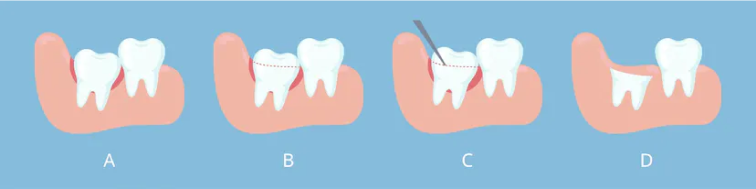
A coronectomy is a surgical technique crafted to reduce the chances of nerve damage in cases deemed high risk. This procedure entails the removal of the tooth's crown while intentionally leaving the root or roots embedded in the socket. When executed correctly, this approach presents a diminished risk of harming the inferior alveolar nerve (IA) and does not elevate the risk of infection compared to a standard extraction. The primary limitation of this method is that in a few instances, the remaining root fragment might independently ascend to the surface of the socket, necessitating a secondary surgery to extract the root fragment. Nevertheless, when such migration occurs, it bears the added benefit of moving away from the nerve; hence, the subsequent surgery is likely to have minimal to zero risk of inflicting damage to the nerve.
Frequently Asked Questions
Q: Do you offer wisdom teeth removal?
A: Yes. Our oral and maxillofacial surgeons remove wisdom teeth in our Tustin office.
Q: When should I see an oral surgeon about my wisdom teeth?
A: If your dentist sees that your wisdom teeth are impacted, crowded, partly erupted, or causing pain, swelling or infection, a consultation with an oral surgeon is a good next step. Many people are evaluated in their late teens or early twenties.
Q: What happens at the consultation?
A: We review your health history, take or review X-rays or a 3D scan, check the position of each tooth, and talk through your options, including sedation choices.
Q: Will I be asleep?
A: We offer local numbing, nitrous oxide (laughing gas), oral sedation and IV sedation. Many patients choose IV sedation, given by our board certified surgeons in our accredited surgical suites. Your surgeon will help you choose what fits your health, comfort and procedure.
Q: What is recovery like?
A: Most people have some swelling and soreness for a few days. Many return to school or desk work within a few days, but healing varies. We give you written aftercare instructions and you can call us with any questions.
Q: What affects the cost?
A: Cost depends on how many teeth are removed, how deeply they are impacted, the type of sedation, imaging needed, and your insurance. We give you an estimate before treatment. Financing is available through CareCredit, Cherry and LendingClub.
Q: Does insurance cover wisdom teeth removal?
A: We accept most PPO plans and Denti-Cal. Coverage depends on your plan, so we cannot promise what it will pay, but our insurance coordinator checks your benefits before your surgery.
Q: Do all wisdom teeth need to come out?
A: No. Some wisdom teeth grow in fully, are healthy, and can be cleaned well. Your surgeon will look at your exam and X-rays and tell you whether removal is recommended or whether watching them is reasonable.
Q: What can I eat after surgery?
A: Start with cool, soft foods like yogurt, smoothies eaten with a spoon, and mashed potatoes, then add foods as you feel ready. Avoid straws, smoking and crunchy foods while the sites heal, as instructed.
Q: What if I have pain or swelling from an infected tooth?
A: Call us at 714-838-4141. We offer same-day emergency appointments for dental infections. If swelling spreads to your eye or neck, or you have trouble breathing or swallowing, call 911 or go to the nearest emergency room.
Q: When should I call the office after surgery?
A: Call us if you have bleeding that does not slow with pressure, a fever, pain or swelling that gets worse after the first few days, or any concern at all. Our main number is 714-838-4141.
Our Patients Reviews


