 ENESPANOL中国


ORAL PATHOLOGY
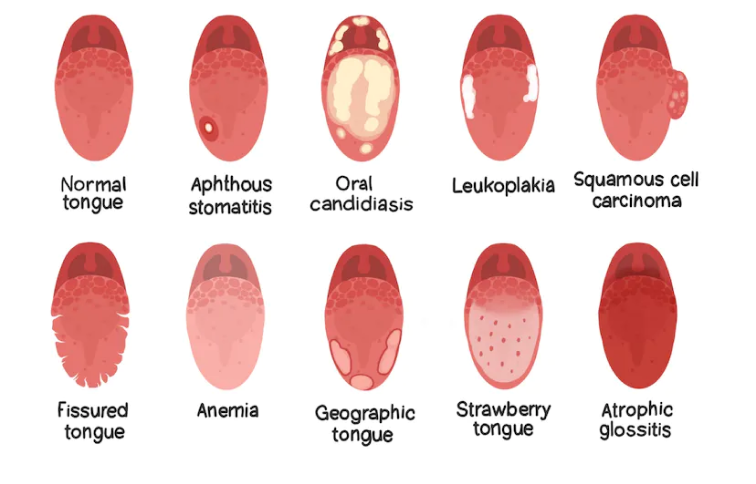
There are various conditions and diseases of the head, neck and oral cavity. The most serious form of pathology within our specialty is oral cancer. Oral cancer is not prevalent, but early diagnosis and treatment can be curative.


What is oral pathology?
Various diseases and conditions can affect the head, neck, and oral cavity, with the most critical within our specialty being oral cancer. While not widespread, early detection and intervention for oral cancer can be life-saving. Ensuring a comprehensive examination of any abnormalities is crucial for accurate monitoring and assessment.
What is oral pathology treatment process?
During your appointment, Drs. Farshidi and Kwon will conduct an extensive examination of your head, neck, and oral cavity. They are proficiently trained to educate you about your condition and will develop a treatment strategy that is most appropriate for your situation. The treatment approaches can vary significantly, depending on the results of the examination. In some cases, vigilant monitoring may be all that’s required, while in others, a biopsy might be necessary to identify the origin of the pathology. A biopsy involves surgically extracting a sample of the tissue from the affected area and sending it to a pathologist. This specialist will scrutinize the sample to establish a diagnosis. Based on the final diagnosis, your oral surgeon will recommend a course of action for effective treatment.
Frequently Asked Questions
Q: What is oral pathology?
A: It is the diagnosis and treatment of diseases of the mouth, jaws and nearby areas, such as lumps, sores, cysts and growths.
Q: When should I have a spot in my mouth checked?
A: See your dentist or an oral surgeon if a sore, lump, or red or white patch does not heal within about two weeks, or if you have unexplained bleeding, numbness, or trouble swallowing.
Q: What is a biopsy?
A: A biopsy removes a small piece of tissue so it can be examined in a lab. It is usually done with local numbing in the office.
Q: Does a biopsy mean I have cancer?
A: No. Most areas that are biopsied are not cancer. A biopsy is the way to know for sure and to plan the right treatment.
Q: How long until I get results?
A: Results typically take 10 to 14 days. We will contact you to go over them.
Q: Does insurance cover a biopsy?
A: Biopsies may be billed to dental or medical insurance depending on the plan. We accept most PPO plans and Denti-Cal. Coverage depends on your plan, so we cannot promise what it will pay, but we check your benefits before surgery. Financing is available through CareCredit, Cherry and LendingClub.
Our Patients Reviews


