 ENESPANOL中国


TMJ Pain
TMJ Pain stems from the Temporomandibular Joint connecting the jawbone to the skull, resulting from issues like muscle tension, inflammation, or structural abnormalities. Early diagnosis and appropriate treatment are crucial for effectively alleviating this discomfort.


What is TMJ Pain?
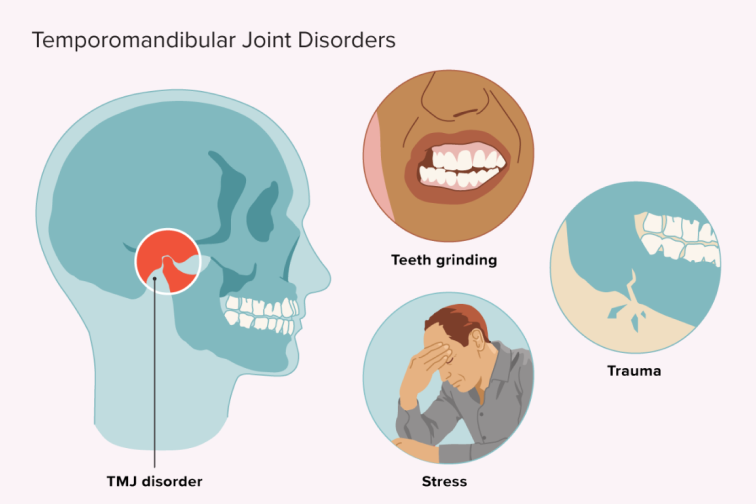
TMJ pain refers to discomfort or pain in the temporomandibular joint (TMJ). The temporomandibular joint is a hinge-like structure that connects the temporal bone of the skull to the mandible (lower jaw). This joint allows for the movement of the jaw, enabling actions such as talking, chewing, and yawning.
What is TMJ Pain treatment process?
The process of treating TMJ pain can vary depending on the severity and cause of the discomfort. This process begins with a thorough diagnosis through imaging tests such as X-rays, CT scans, or MRIs to assess the jaw joint and surrounding structures. Self-care measures include eating soft foods, applying cold or heat, avoiding extreme jaw movements, and practicing good posture along with stress-reducing techniques. Additionally, medications like pain relievers, muscle relaxants, and tricyclic antidepressants might be used. Other therapeutic methods such as physical therapy, using mouth splints or guards, and counseling may also be applied. In necessary cases, surgical procedures or other interventions such as arthrocentesis, corticosteroid injections, TMJ arthroscopy, modified condylotomy, and open-joint surgery may be considered. Alternative medicine like acupuncture and relaxation techniques can also be beneficial. Finally, ongoing monitoring and treatment adjustments are crucial to ensure the best treatment outcome.
Frequently Asked Questions
Q: What is TMJ?
A: The temporomandibular joint (TMJ) connects your lower jaw to your skull, just in front of each ear. TMJ problems can cause jaw pain, clicking, headaches, or trouble opening your mouth.
Q: What causes TMJ pain?
A: Common causes include clenching or grinding, joint wear, injury, and stress. Often more than one thing is involved.
Q: What treatments are available?
A: Most people start with simple steps like a soft diet, warm or cold packs, jaw rest and medication. We offer custom night guards and Botox for treatment of TMJ disorders. Your surgeon will recommend what fits your symptoms.
Q: Will I need surgery?
A: Most TMJ problems improve without surgery. Surgery is considered only when other treatments have not helped and there is a clear joint problem.
Q: When should I see an oral surgeon for jaw pain?
A: See us if jaw pain lasts more than a few weeks, your jaw locks open or closed, or pain makes it hard to eat or talk.
Q: Does insurance cover TMJ treatment?
A: Coverage for TMJ care varies widely between plans and may fall under medical or dental insurance. We accept most PPO plans and Denti-Cal. Coverage depends on your plan, so we cannot promise what it will pay, but we check your benefits before surgery. Financing is available through CareCredit, Cherry and LendingClub.
Our Patients Reviews


